







Choosing a Peugeot 406 Coupé engine for scenic touring
Publié le 23/09/2026
The Peugeot 406 Coupé is a compelling choice for drivers who approach road trips with the calm, luggage-led rhythm often associated with caravan and motorhome touring. Sold from 1997 to 2004, this Pininfarina-designed French coupé combines elegant proportions with the practical foundations of the Peugeot 406 saloon. It is not a vehicle for towing a caravan, yet it suits scenic hotel-to-hotel journeys, campsite cabin breaks and long continental routes where comfort, character and sensible fuel planning matter.
The 406 Coupé rewards a relaxed touring approach
A well-chosen 406 Coupé feels like a classic French grand tourer rather than a hard-edged sports car. Its long wheelbase, supportive seating and settled motorway manners favour steady progress over aggressive driving. For travellers who enjoy secondary roads, coastal routes and regular stops, that temperament is part of the appeal.
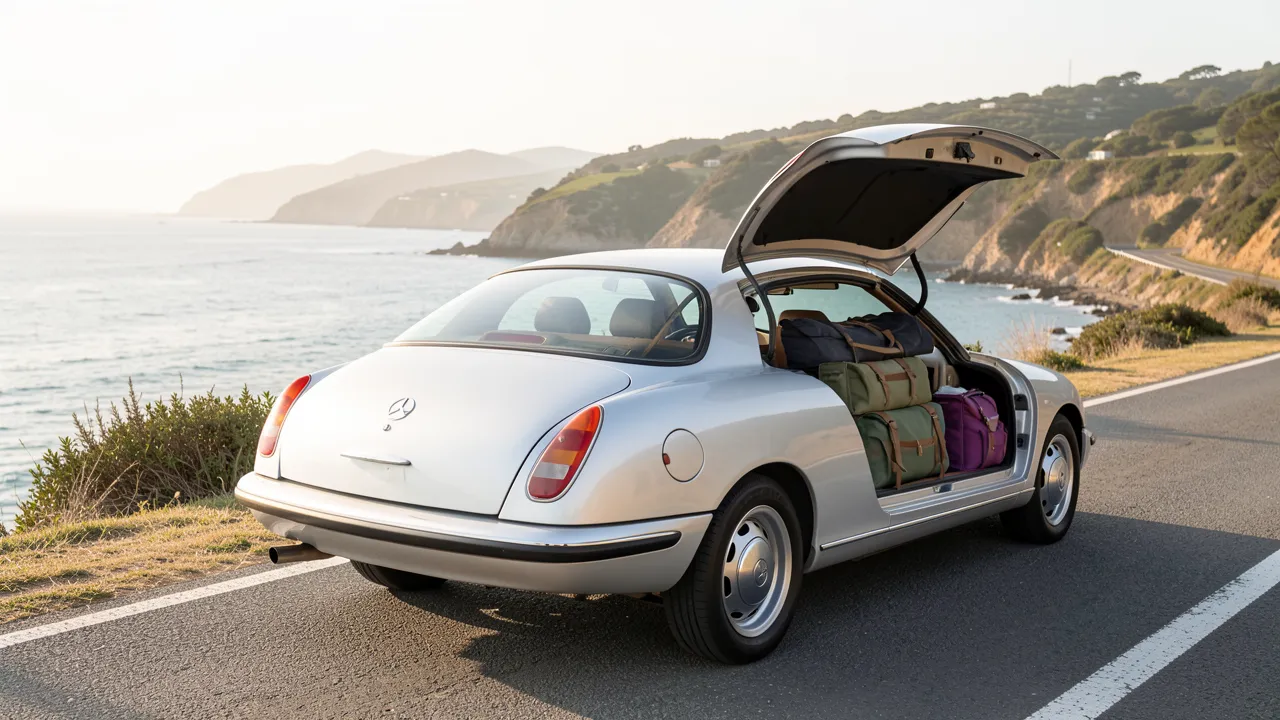
The cabin is a two-plus-two arrangement, so it works best for one or two adults with soft luggage. The boot is usefully shaped for a coupé, but its opening is not ideal for bulky camping equipment. A pair of weekend bags, a compact cool box, walking gear and lightweight outdoor chairs are realistic loads. Pack flexible cases rather than rigid suitcases to make the most of the available space.
For a wider overview of production years, equipment and model variations, coupe406peugeot.com focuses specifically on the Peugeot 406 Coupé and its place in the marque’s history. The model’s Pininfarina bodywork, trim levels and engine choices vary across the 1997 to 2004 production run. Checking version-specific details can help you distinguish early petrol cars from later V6 and HDi examples. This is particularly useful when comparing used cars advertised with incomplete specifications.
The engine choice should match your preferred journey
The 406 Coupé engine range gives the car several distinct personalities. None is automatically right for every traveller. Your typical annual mileage, preferred roads, fuel budget and tolerance for maintenance should shape the decision more than performance figures alone.
The 2.0 16V suits measured petrol touring
The 2.0 16V petrol engine is the entry point for many buyers. With around 136 hp in most versions, it offers adequate performance for relaxed touring, although it needs revs when the car is fully loaded or climbing steep routes. Its lighter front end can make it feel more agile than the V6 on twisting roads.
For owners covering moderate distances, the 2.0 16V can be a sensible balance of straightforward ownership and classic petrol refinement. Expect real-world fuel consumption to rise noticeably on fast motorway stretches or mountain roads. A manual gearbox generally makes better use of the engine than an automatic, especially when overtaking with luggage aboard.
The V6 delivers the fullest grand-touring character
The 3.0-litre V6 is the emotional choice, with a smooth, cultured power delivery that suits wide roads and long motorway days. Early cars used a 194 hp V6, while later versions gained a 210 hp engine. Both provide effortless overtaking and relaxed high-speed cruising when maintained properly.
A Peugeot 406 Coupé V6 feels especially suited to a two-person road trip with a flexible timetable. You can cover long distances without working the engine hard, and its soundtrack adds occasion to scenic journeys. Fuel use is materially higher than in the four-cylinder or diesel models, however, and servicing history deserves close attention. Cambelt replacement records, cooling-system condition, ignition components and automatic transmission maintenance, where applicable, should be checked before purchase.
The diesel makes distance easier on the budget
Later diesel versions, especially the 2.2 HDi, appeal to drivers who prioritise range and fuel economy. Their torque suits hills, overtaking and cruising with a full boot, while their lower fuel consumption can reduce the cost of a long European route. A diesel 406 Coupé can be the most practical choice for frequent touring.
The trade-off is character. The diesel lacks the silkiness of the V6 and the lighter petrol feel of the 2.0 16V. Age-related diesel concerns also need scrutiny, including turbocharger condition, injector health, particulate filter systems on relevant cars and dual-mass flywheel wear.
| Engine | Touring strengths | Main compromises | Best suited to |
|---|---|---|---|
| 2.0 16V petrol | Simple character, lighter handling, accessible purchase cost | Needs revs when loaded, moderate fuel use | Occasional scenic trips |
| 3.0 V6 petrol | Smooth cruising, strong overtaking, memorable soundtrack | Higher fuel and servicing costs | Low-mileage enthusiasts |
| 2.2 HDi diesel | Strong torque, long range, economical motorway use | More age-sensitive diesel components | Frequent long-distance drivers |
Comfort and preparation matter as much as horsepower
A 406 Coupé in good mechanical order can be a very comfortable road-trip car, but age means condition overrides badge or engine size. Suspension bushes, dampers, tyres and wheel alignment strongly affect its ability to cover uneven rural roads without fatigue. Test the car on varied surfaces, not only on a short urban route.
Before leaving on a longer trip, arrange a practical inspection. Check fluid levels, battery health, auxiliary belts, brake condition and the cooling system. Ensure the spare wheel or tyre-inflation kit is present and usable. Older French electrical systems can develop minor faults, so test the air conditioning, central locking, windows, lights and dashboard functions before departure.
Plan luggage around the car’s limitations. A compact tool kit, warning triangle, first-aid supplies, phone charger, tyre compressor and a few basic spares provide reassurance without consuming the whole boot. If you carry camping equipment, select folding or inflatable items that fit below the parcel shelf.
The right 406 Coupé is the one that supports your travel style
For relaxed touring, the Peugeot 406 Coupé offers more than striking design. The 2.0 16V provides an approachable petrol option, the V6 supplies refined long-distance theatre, and the diesel supports economical mileage. Buying on maintenance quality, comfort features and documented servicing will usually produce a better travel companion than chasing a particular badge alone.
- Choose the 2.0 16V for occasional trips and simpler petrol ownership.
- Choose the V6 when smoothness and character matter more than fuel costs.
- Choose the HDi diesel for regular motorway mileage and strong fuel range.
- Prioritise suspension, cooling, tyres and service records before planning a major journey.
- Pack soft luggage and compact camping equipment to suit the coupé’s boot shape.